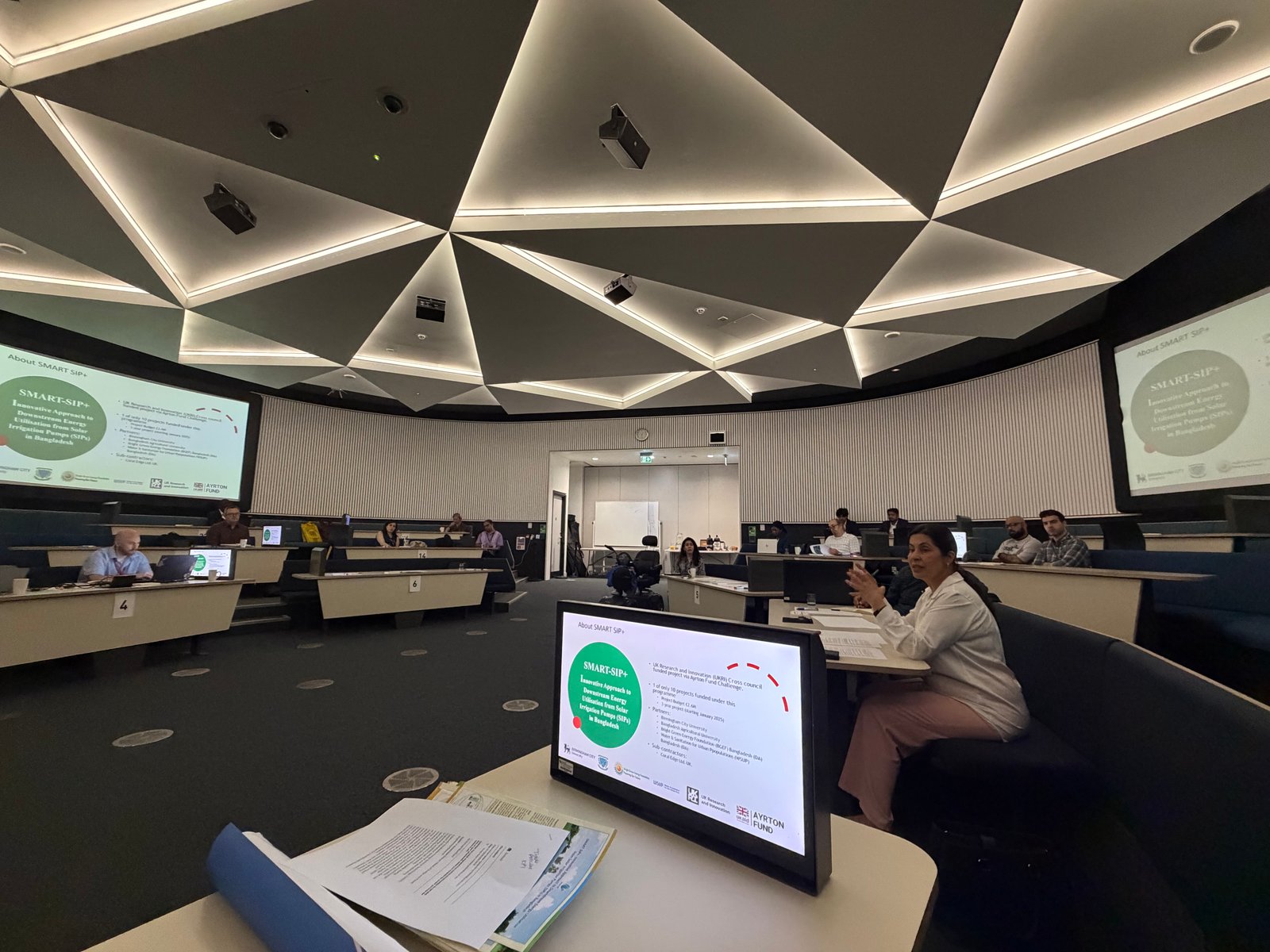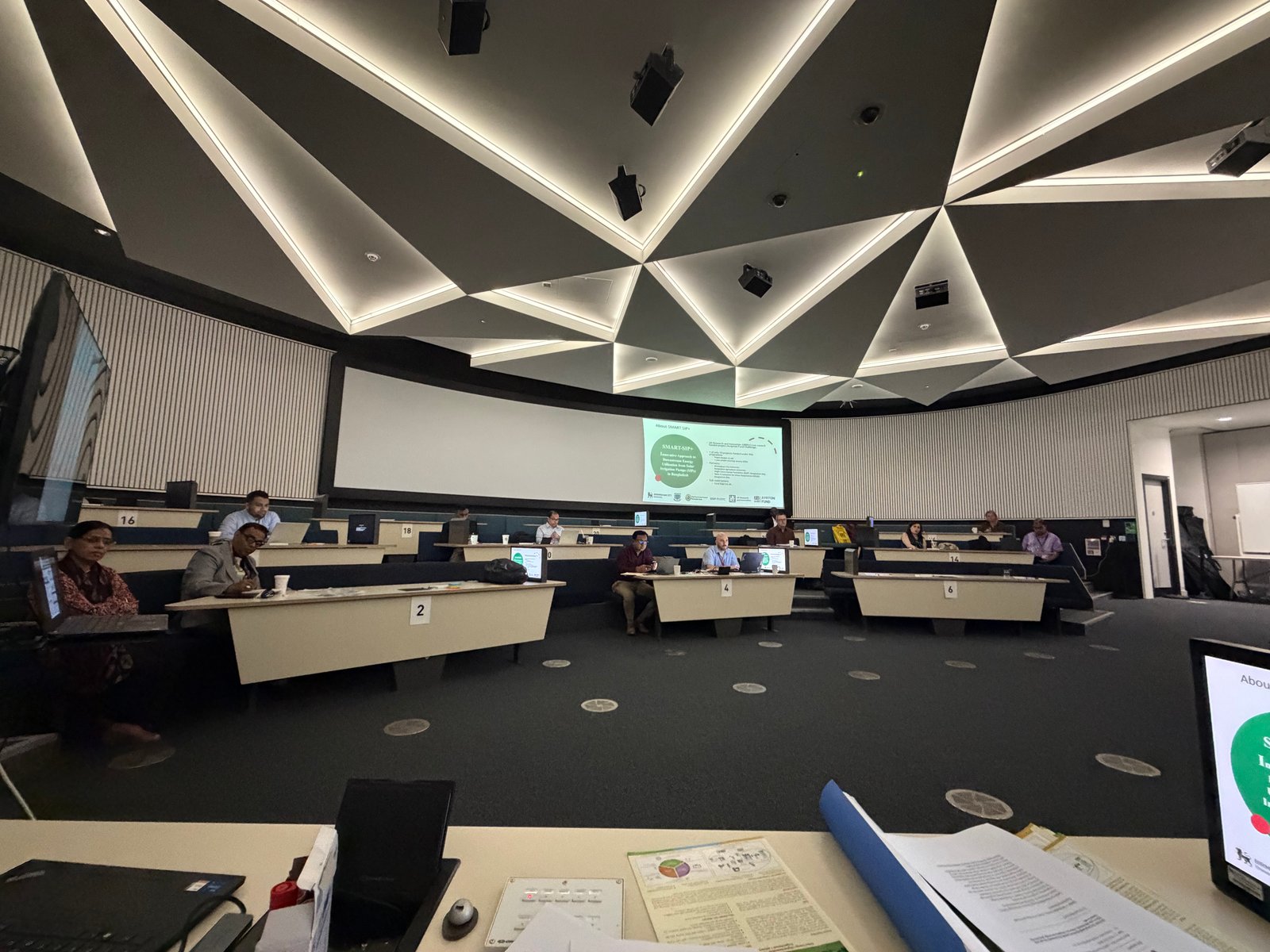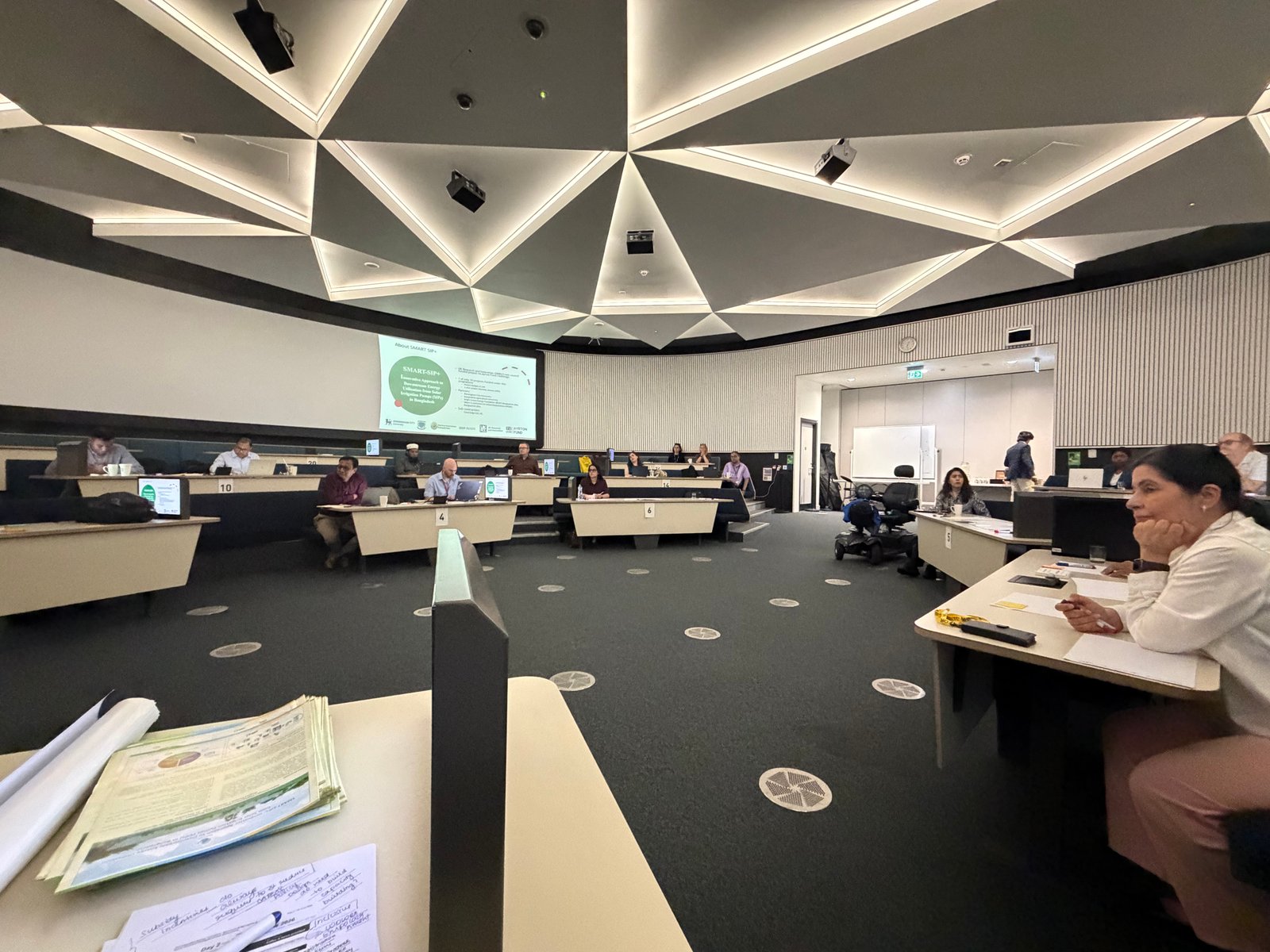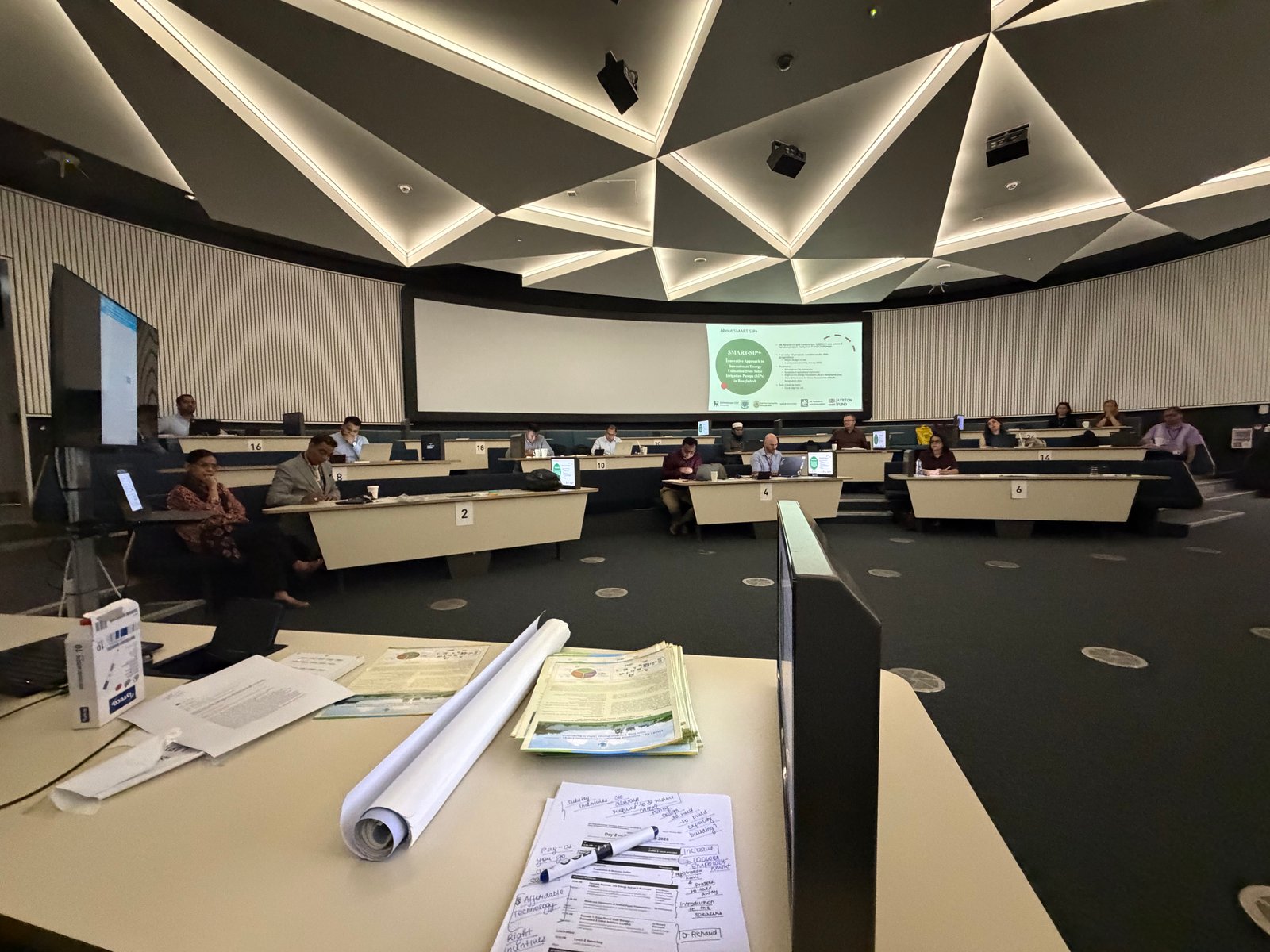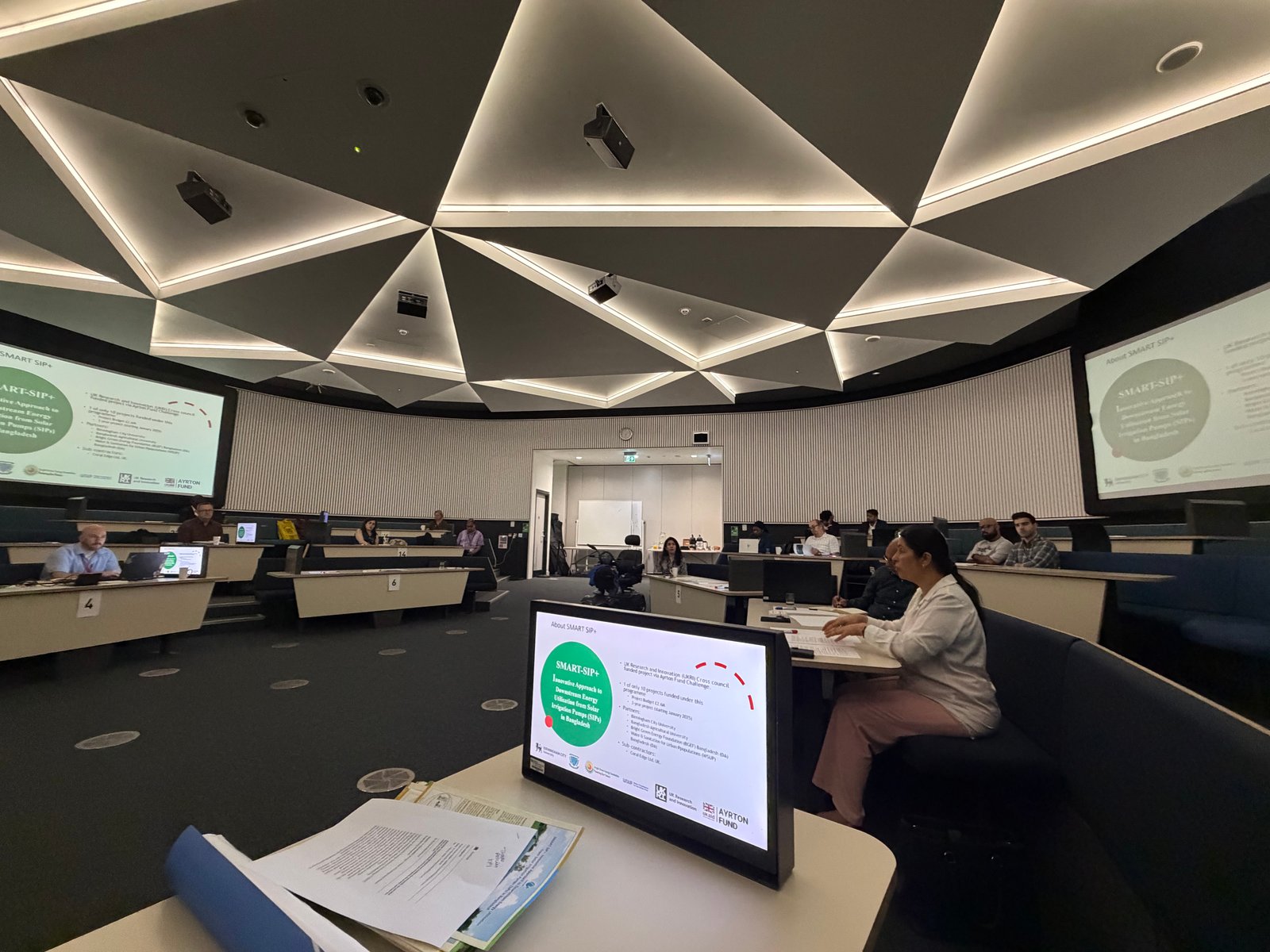
The second day of the SMART-SIP+ Workshop, Advancing Sustainable Business Models for Decentralised Renewable Energy Hubs, was successfully held on 19 June 2026 at Birmingham City University. Bringing together academics, researchers, practitioners, policymakers, and international delegates, the workshop continued its exploration of innovative pathways for accelerating sustainable energy transitions through decentralised renewable energy systems. The day focused particularly on the development of sustainable business models, policy frameworks, and practical applications capable of enhancing the social, economic, and environmental value of renewable energy infrastructure.
Throughout the day, participants engaged with a series of presentations and discussions that examined how decentralised renewable energy hubs can move beyond electricity generation to support wider community development, economic resilience, and sustainable livelihoods. The sessions highlighted the importance of integrating technological innovation with effective policy, entrepreneurial thinking, and stakeholder collaboration to create scalable and impactful solutions for developing regions, particularly within the context of Bangladesh.
The opening session was delivered by Professor Sangeeta Khorana from Aston Business School, who explored the critical relationship between policy interventions, sustainability, and entrepreneurship in decentralised energy ecosystems. Her presentation emphasised that technological advancement alone is insufficient to drive sustainable development. Instead, long-term success depends upon supportive policy environments, strategic partnerships, and strong institutional frameworks that enable innovation to flourish.
Participants examined how digital capabilities are increasingly becoming foundational for rural enterprise development, allowing communities and businesses to leverage data-driven decision-making, improve operational efficiency, and unlock new economic opportunities. The session also highlighted the importance of aligning national energy strategies with trade policies and local implementation mechanisms, ensuring that renewable energy initiatives are supported by coherent and transparent regulatory structures. A recurring message throughout the discussion was the importance of collaboration among governments, private sector organisations, community groups, and development agencies in creating sustainable and inclusive energy ecosystems.
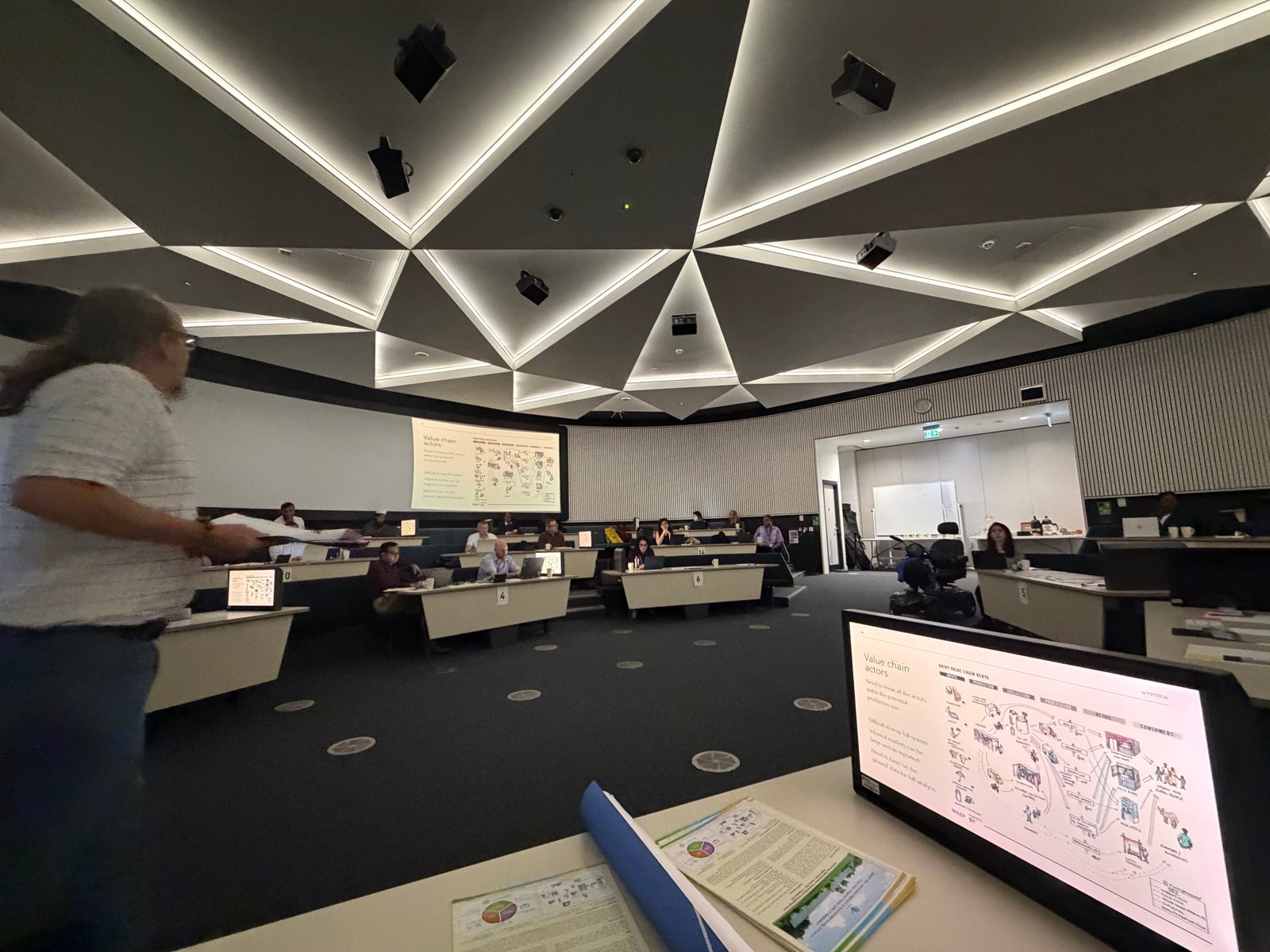
Building upon these policy and entrepreneurship perspectives, the second session focused on the practical economics of decentralised renewable energy systems. Delivered by Dr Richard Blanchard from Loughborough University, the session explored solar-powered cold storage as a critical intervention for strengthening agricultural value chains and reducing post-harvest losses.
Participants were introduced to economic modelling approaches designed to evaluate the commercial viability and long-term sustainability of cold storage facilities powered by renewable energy. A particularly engaging component of the session involved a collaborative value chain mapping exercise covering five key commodity sectors: meat, mangoes, fisheries, leafy vegetables, and tomatoes. Through this exercise, participants identified major supply chain actors, examined existing bottlenecks, and analysed where value creation opportunities could be maximised through improved cold storage infrastructure.
The discussion demonstrated how renewable-energy-powered cold storage can contribute not only to food security but also to income generation, market access, and rural economic development. Drawing on practical experiences from projects implemented across Africa, Dr Blanchard also shared valuable international lessons and highlighted parallels that could inform future implementation within Bangladesh and similar contexts.
The third session shifted attention to the nexus between water, energy, and sustainability. Presented by Uttam Kumar Saha of WSUP Bangladesh, the session examined innovative approaches for utilising surplus energy generated from solar irrigation systems.
Participants learned about plans to develop water treatment facilities powered by excess solar energy that would otherwise remain underutilised. This approach demonstrated how renewable energy infrastructure can serve multiple community functions, thereby improving economic efficiency while expanding access to essential services. The presentation further explored the integration of biogas generation alongside solar power systems, creating hybrid energy solutions capable of enhancing reliability, increasing resource utilisation, and supporting more resilient local service provision.
By combining renewable electricity generation with water treatment and waste-to-energy technologies, the session illustrated how decentralised energy hubs can evolve into multifunctional community assets that deliver both environmental and socioeconomic benefits.
The day concluded with reflections and closing remarks from members of the Bangladesh delegation, who provided valuable policy perspectives on the themes discussed throughout the workshop. Their contributions helped connect the technical, economic, and entrepreneurial insights presented during the day with the realities of policy implementation and governance.
Discussions focused on how lessons from international experiences could be adapted to local contexts, the challenges associated with scaling decentralised renewable energy solutions, and the importance of supportive institutional environments for ensuring long-term success. The delegates emphasised the need for coordinated action across government agencies, development partners, academic institutions, and private sector actors to create enabling conditions for sustainable energy transitions.
Several important cross-cutting themes emerged from the day’s discussions. Partnership and ecosystem collaboration consistently appeared as fundamental enablers of successful renewable energy initiatives. Across all sessions, speakers stressed that complex development challenges require coordinated action from diverse stakeholders.
Affordability and transparent regulation were also identified as critical prerequisites for scaling decentralised energy solutions, particularly in rural and underserved communities. Furthermore, both cold storage and water treatment were highlighted as high-potential service applications capable of leveraging surplus renewable energy while generating direct livelihood and community benefits.
The workshop also demonstrated the value of international knowledge exchange, with experiences from Africa and India providing transferable insights that can inform future energy development strategies in Bangladesh and beyond.
Finally, the policy reflections offered by the Bangladesh delegation underscored the importance of grounding technological innovation within practical implementation frameworks that reflect local realities and development priorities.
Overall, Day 2 of the SMART-SIP+ workshop reinforced the importance of adopting integrated socio-technical approaches to renewable energy development. By bringing together expertise from policy, business, engineering, and community development, the workshop showcased how decentralised renewable energy hubs can serve as catalysts for broader economic transformation and sustainable development.
The discussions highlighted a growing recognition that the future of energy systems lies not only in generating clean power but also in creating interconnected ecosystems that support livelihoods, strengthen value chains, improve essential services, and enhance community resilience. As the SMART-SIP+ project continues to advance research and implementation in this field, the insights generated during Day 2 will contribute significantly to shaping future strategies for sustainable, inclusive, and locally grounded energy transitions.