From Surplus Solar Energy to Clean Water: SMART SIP+ Launches New Microgrid Demonstration Sites in Bangladesh
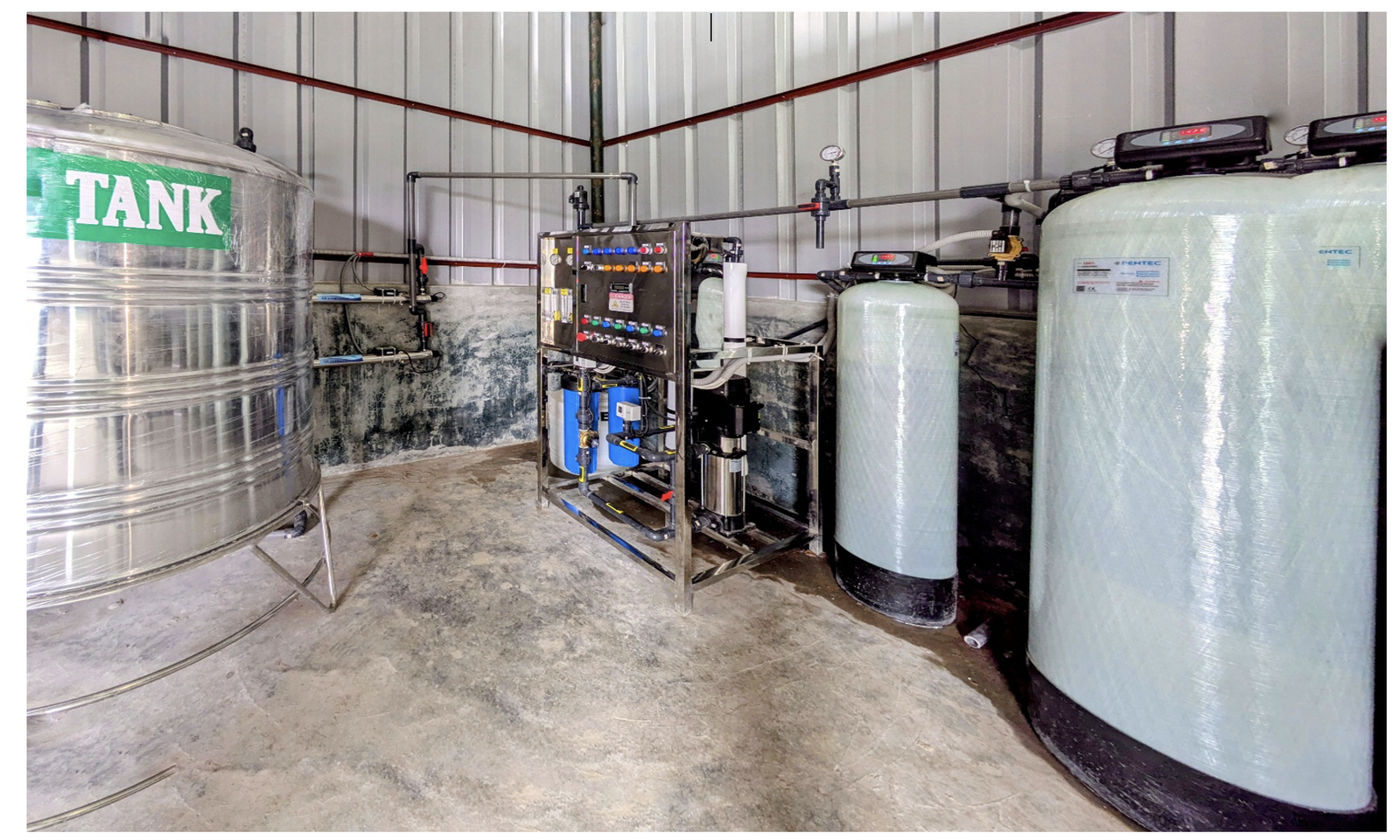
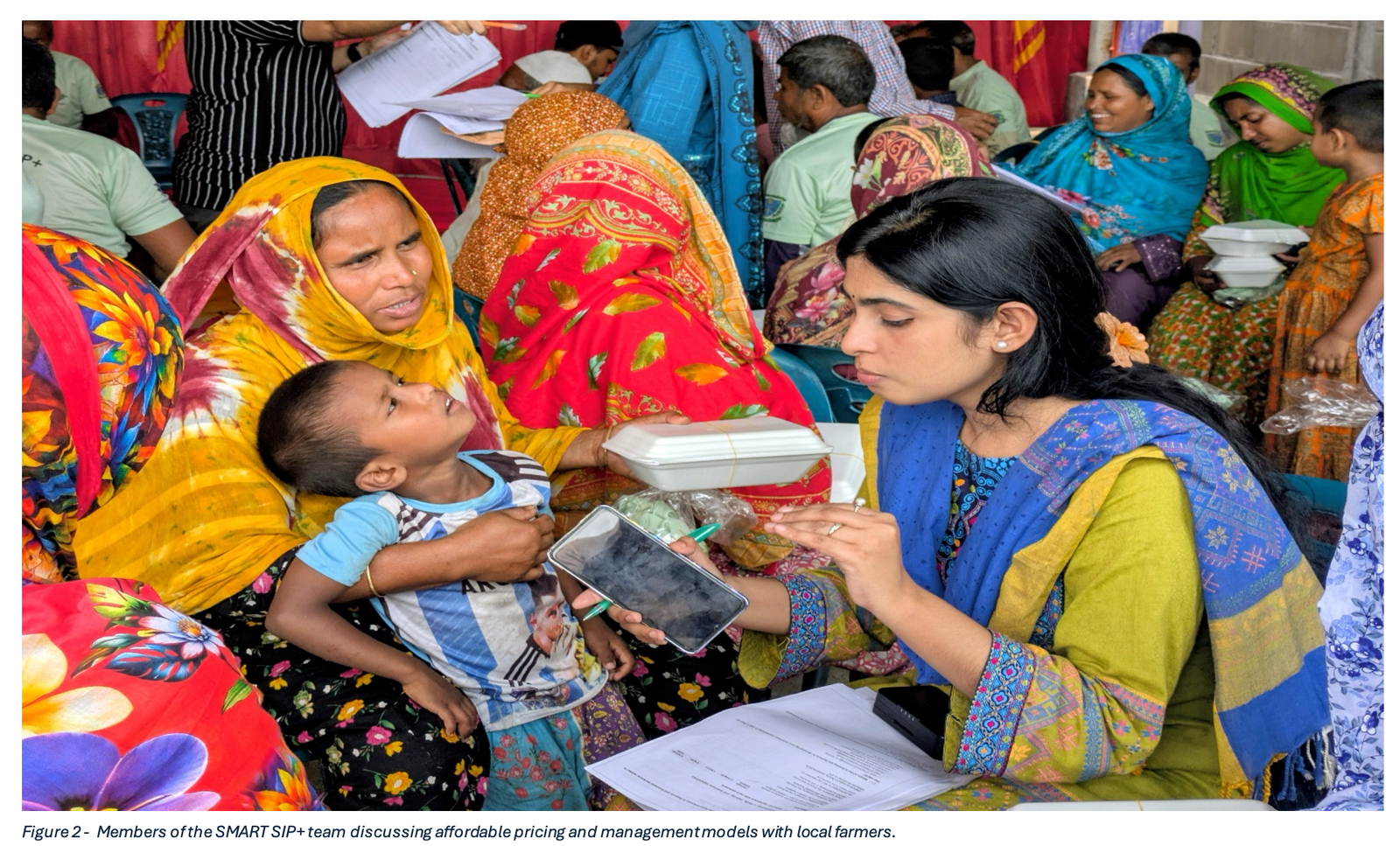
To tackle severe groundwater contamination and maximize renewable energy, the SMART SIP+ team – including researchers from Birmingham City University, Bangladesh Agricultural University, and the UK headquartered NGO Water and Sanitation for Urban Populations (WSUP)- inaugurated a solar-powered water treatment demonstration site at the Go Green centre in Chuadanga, Bangladesh, on May 21, 2026. The project directly addresses a critical public health crisis in the region, where local arsenic levels spike between 6 to 10 times higher than World Health Organization (WHO) safety guidelines. By routing surplus energy from a Solar Irrigation Pump (SIP), the facility can purify more than 3,000 litres of clean water per day, aiming to support at least 50 local households. To ensure this clean water reaches the community easily, the site also includes a charging station for electric rickshaws that will deliver the water directly to people’s homes. During the launch, the team surveyed 40 local men and women farmers, finding that women bear the primary responsibility for household water management. The discussions revealed that many families currently suffer from nausea and skin conditions because a total lack of affordable alternatives forces them to rely on contaminated wells. Moving forward, the team intends to supply this treated water at a target price of one taka per litre -making it twice as cheap as current local options and many times cheaper than bottled water – while testing sustainable, community-led business models. This water plant is part of the broader effort by SMART SIP+ which, in the same week, launched companion demonstration sites to test further productive uses of excess solar power from SIPs, including post-harvest processing for rice in Bhaluka and maize in Dinajpur and cold storage for fruits and vegetables at both sites. (Read more about the community visit in this Dhaka Prokash report, in Bangladeshi).