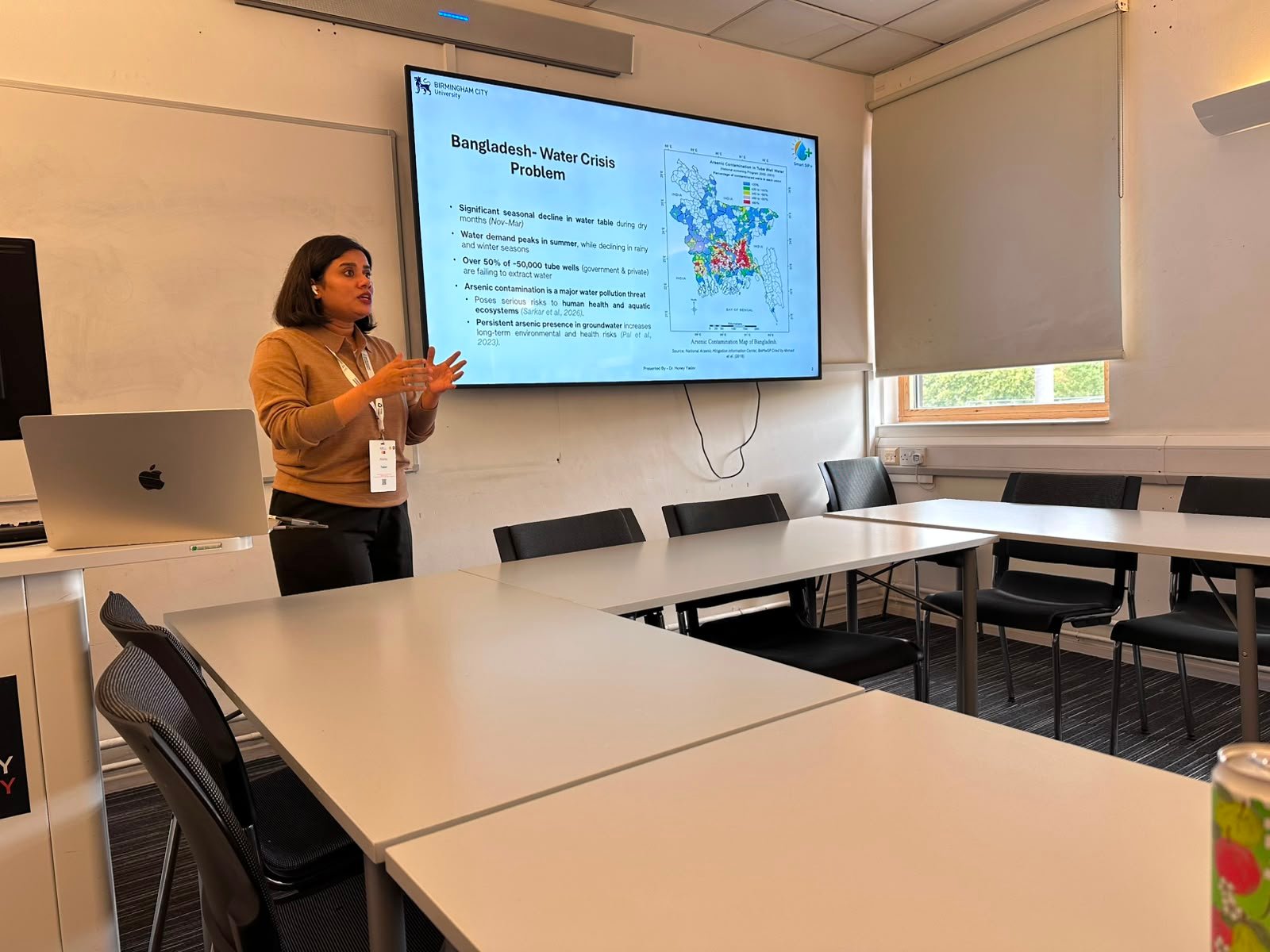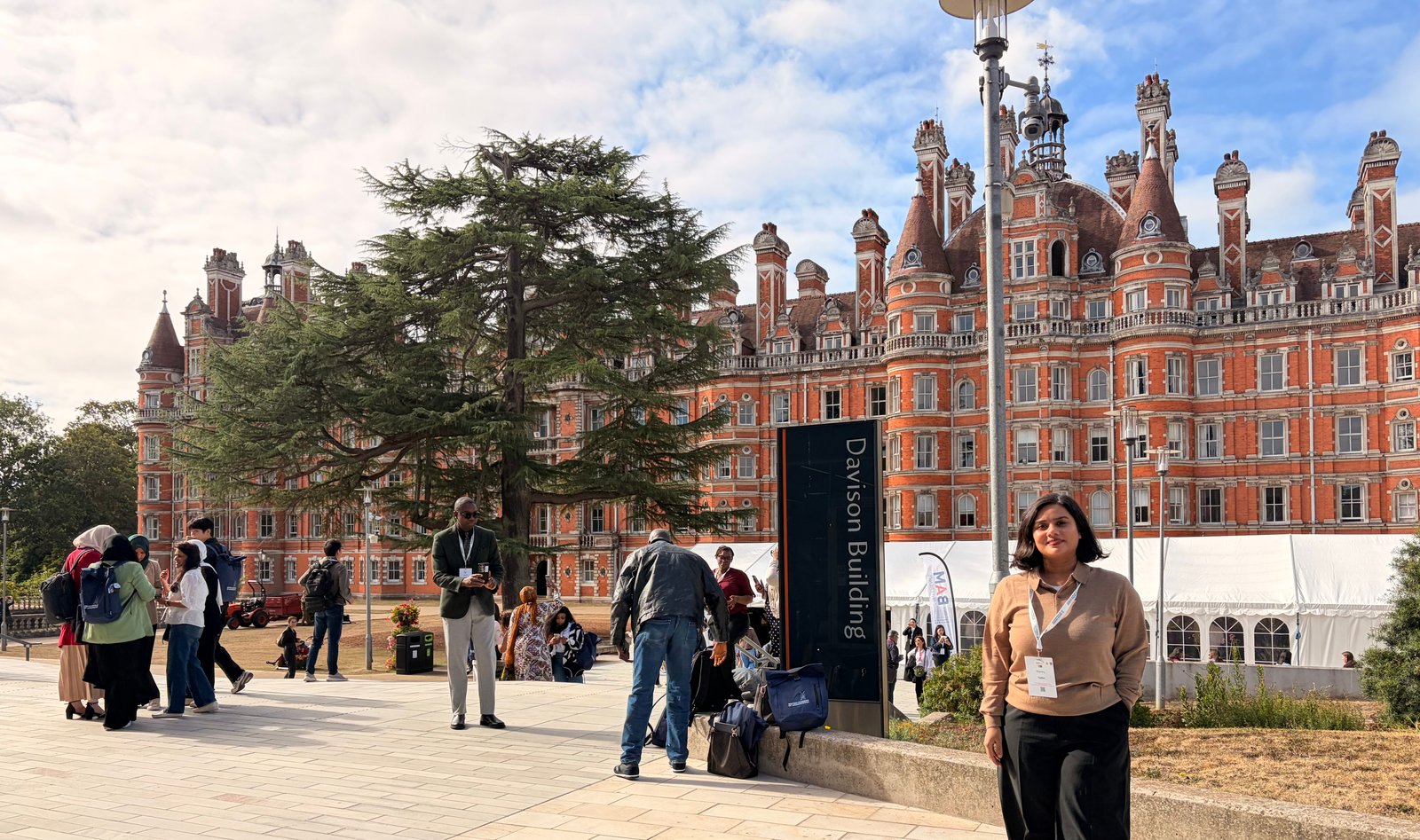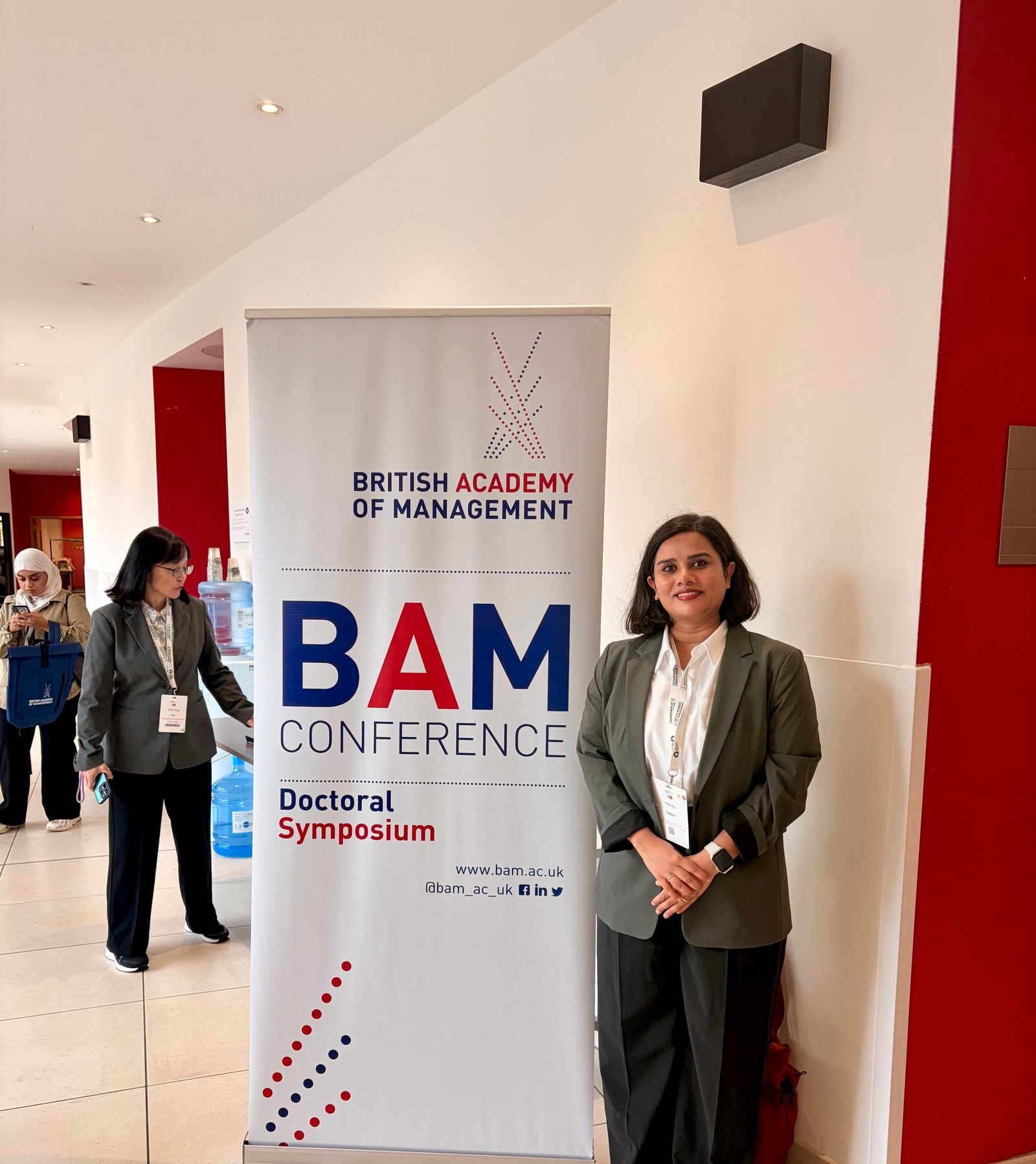
Dr Honey Yadav was delighted to present a project-oriented research paper on the first day of the British Academy of Management (BAM) 2026 Conference, focusing on an emerging research stream from the UKRI-funded SMART SIP+ project. The paper addresses the important challenge of access to clean and safe drinking water in Bangladesh, exploring the potential of solar-powered water treatment interventions as a pathway towards more sustainable and context-sensitive approaches to water access. Rather than viewing clean water provision solely as a technological challenge, the research seeks to develop a Clean Drinking Water Intervention Framework that considers the wider ecosystem surrounding water access, including community awareness, local participation, livelihoods, behavioural change, stakeholder engagement, and sustainable development. One of the most valuable aspects of presenting this developmental work at BAM 2026 was the opportunity to receive constructive feedback from researchers working across different areas of management and sustainability research.
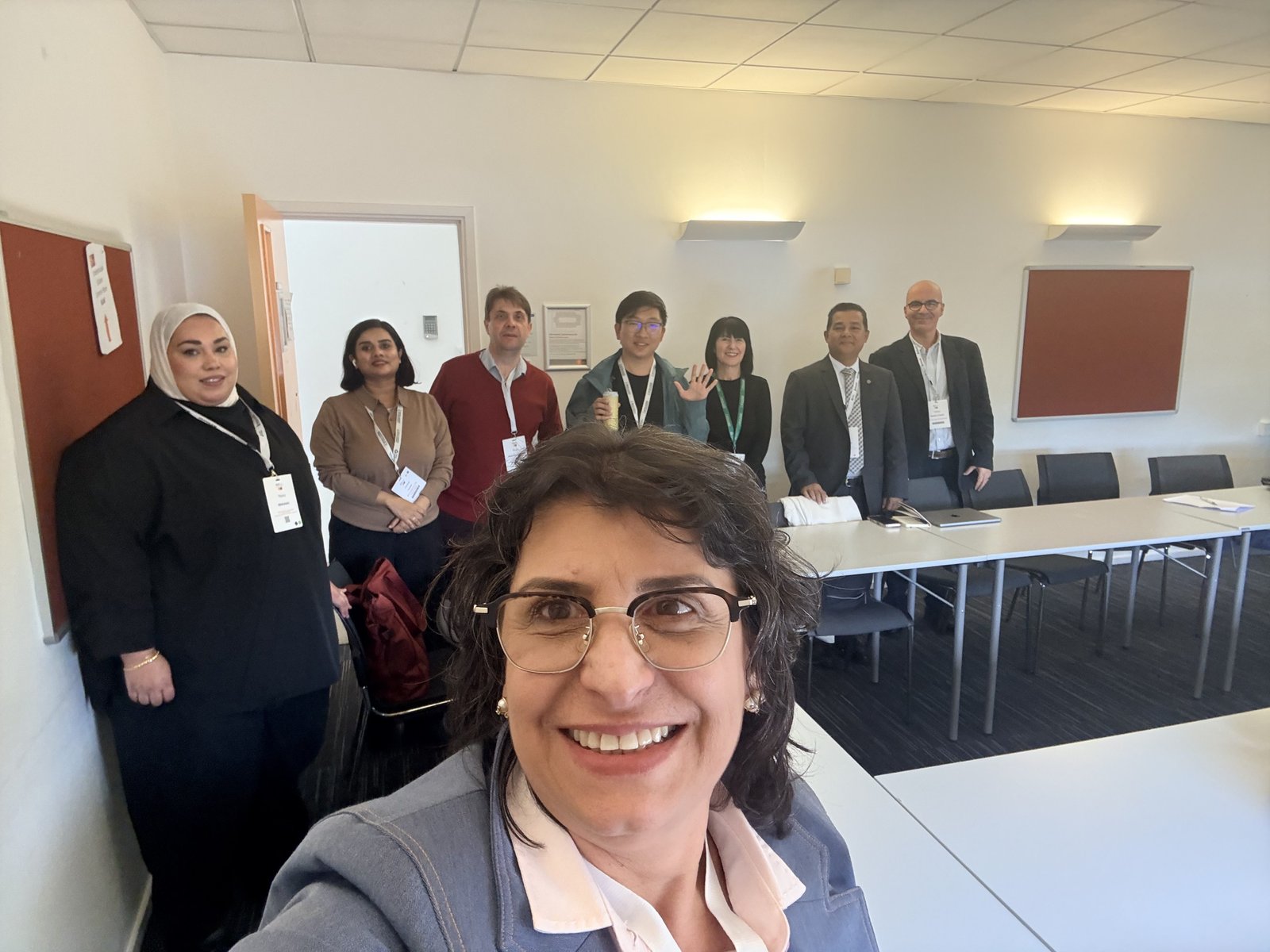
We are particularly grateful to Prof. Amir Mohammad Nasrullah, Carlos Santos e Sousa, and Prof. Flavio Hourneaux for their thoughtful questions, recommendations, and critical perspectives on the developing framework.
Their feedback has provided important direction for strengthening the next iteration of the research. In particular, the discussion encouraged us to:
- Strengthen the theoretical foundations of the proposed intervention framework.
- Move beyond a technology-focused perspective and more explicitly recognise the socio-technical dimensions of clean drinking water interventions.
- Clarify how community awareness and behavioural change can influence the effectiveness and sustainability of water treatment interventions.
- Further examine the role of stakeholders and local institutions in designing, implementing, and sustaining clean water solutions.
- Better integrate the connections between technology, livelihoods, community development, and sustainability.
- Refine the relationships between the different elements of the framework to improve its conceptual clarity and practical applicability.
- Strengthen the framework’s potential to support context-sensitive intervention design and decision-making in Bangladesh.
Importantly, the feedback was used to rethink, refine, and strengthen the underlying research model. The next stage of the research will therefore incorporate these insights into the development of a more comprehensive Clean Drinking Water Intervention Framework, bringing together technological, behavioural, community, institutional, livelihood, and sustainability perspectives. This experience reinforced the value of presenting developmental research at academic conferences. The discussions at BAM 2026 have provided valuable momentum for the next phase of the research, and we look forward to further developing the framework and exploring how solar-powered water treatment solutions can contribute to sustainable and inclusive access to clean drinking water in Bangladesh.