
Birmingham City University Team Installs Smart Sensors at Dayanand Jhajharia’s Farm
Khariya Village, Hisar District, Haryana • Birmingham City University, UK
In a landmark step for rural modernisation, a specialist team from Birmingham City University has installed cutting-edge smart sensors and an automated universal controller on a solar irrigation pump in Khariya village — turning one farmer’s field into a blueprint for India’s agricultural future.
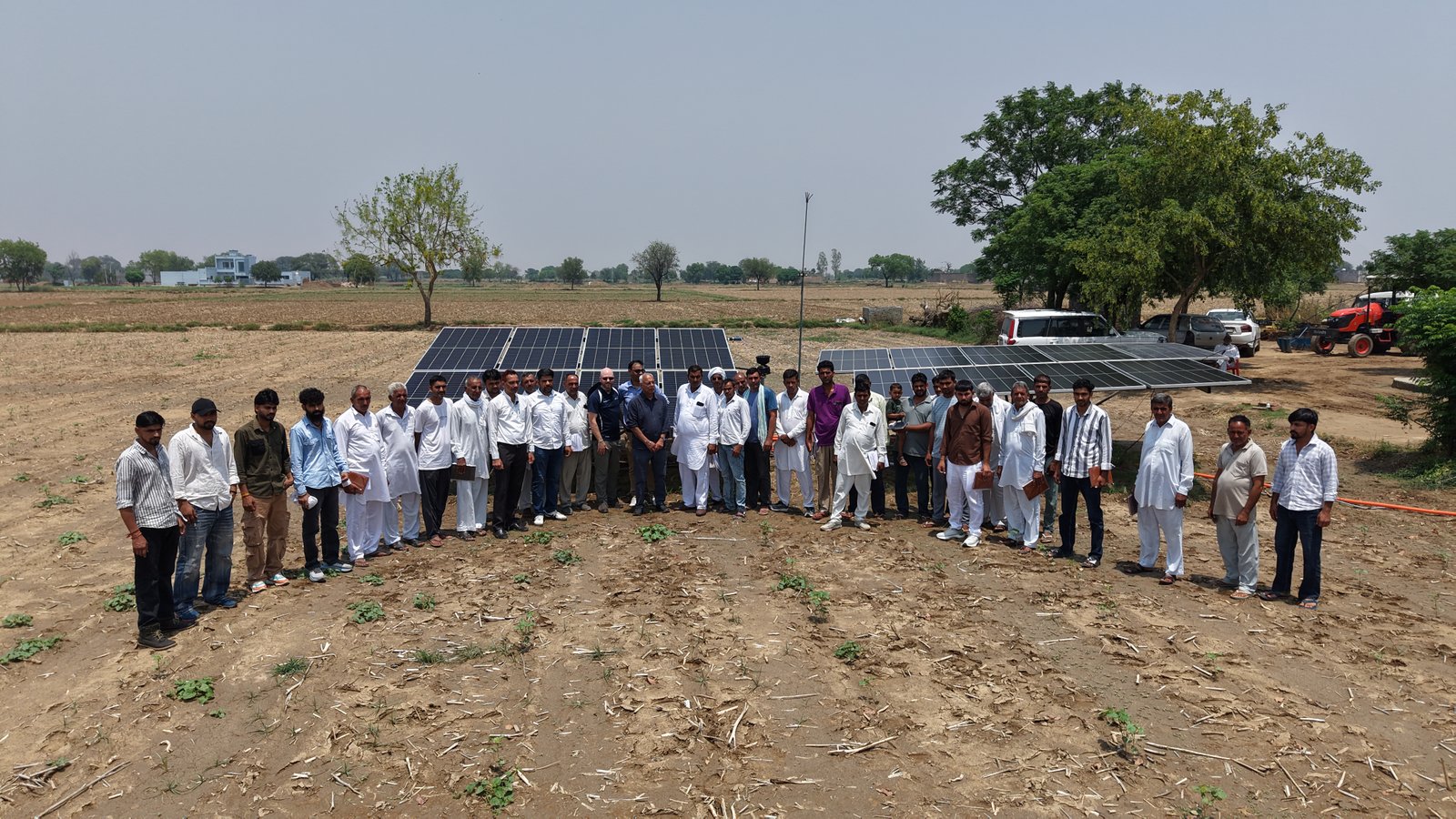
Caption: Workshop and site demonstration at Dayanand Jhajharia’s farm, Khariya village
A Watershed Moment for Khariya
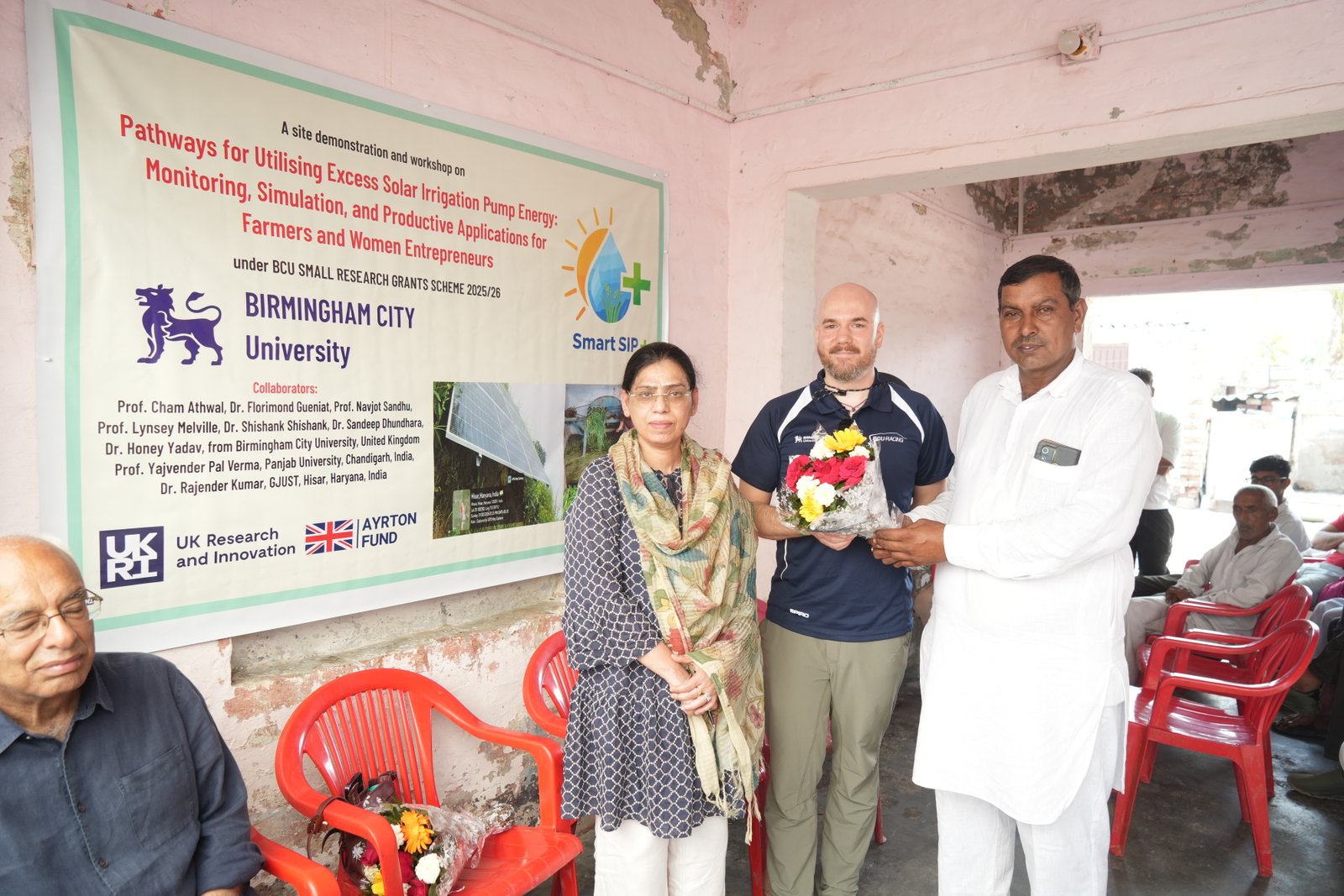
Khariya village in Hisar district recently hosted what locals are calling a watershed event: a full-scale site demonstration and workshop titled “Pathways for Utilising Excess Solar Irrigation Pump Energy.” The gathering was led by a specialist team from Birmingham City University (UK), comprising Professor Cham Athwal, Professor Florimond Gueniat, Professor Shishank, Professor Navjot Sandhu and Dr Sandeep Dhundhara.
The event directly aligned with Prime Minister Narendra Modi’s recent appeal to shift from diesel to solar-powered irrigation, bringing that national ambition to the granular reality of a single farm, owned by progressive farmer Mr Dayanand Jhajharia.
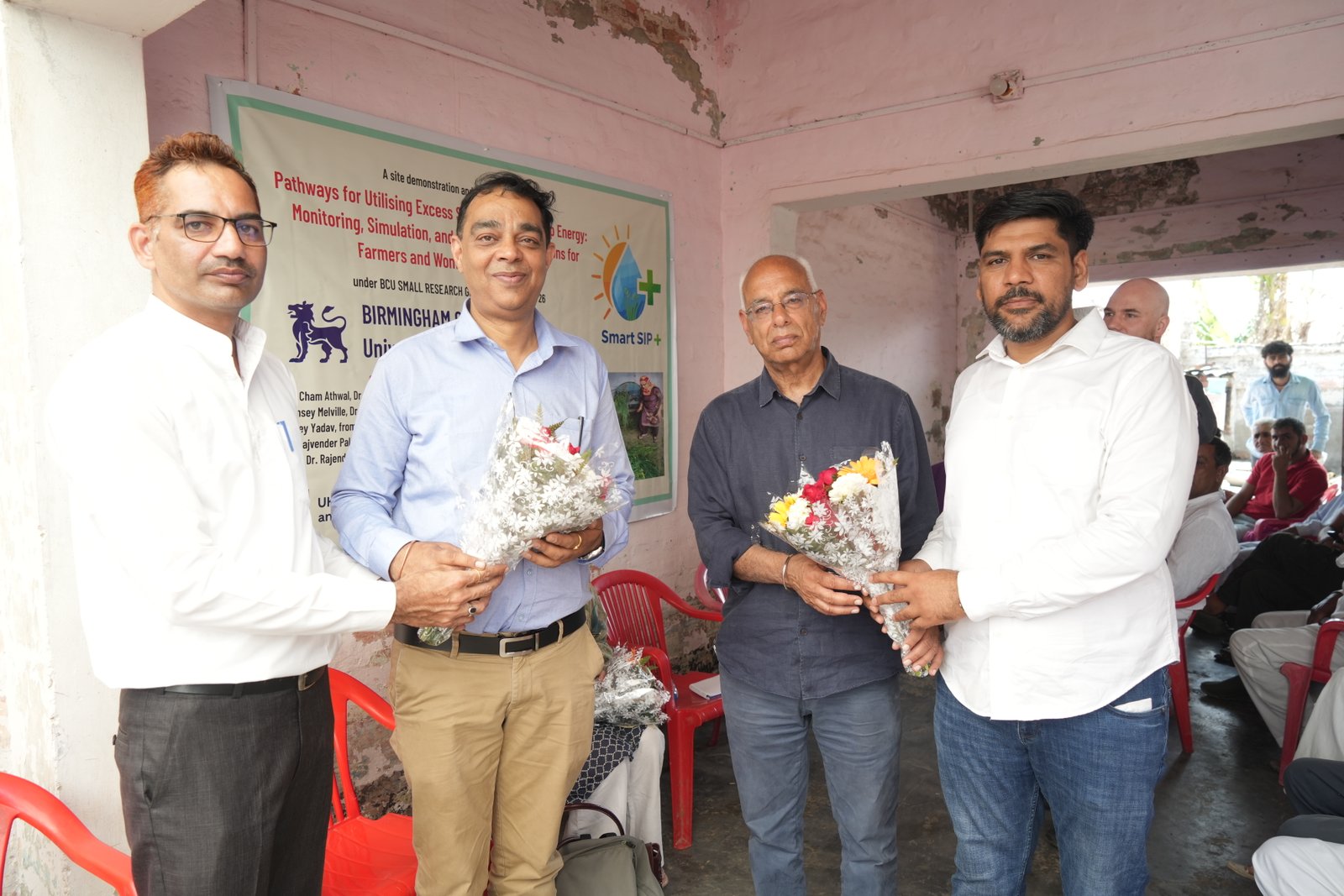
Caption: Prof. Cham Athwal, Prof. Shishank
The Problem: Idle Pumps, Wasted Potential
Solar irrigation pumps across India face a counterintuitive challenge — they sit idle for over 150 days a year. During those months, the panels still generate electricity, but with no irrigation demand, that energy is simply lost.
The BCU team’s solution addresses this directly. An automated universal controller intelligently diverts surplus solar energy to power a range of productive applications beyond irrigation:
• Flour mills — empowering local agro-processing
• Chaff cutters — reducing manual labour for farm families
• EV charging stations — enabling clean rural transport
• Household appliances — improving quality of life on the farm
This dual-benefit approach transforms each farm into a self-sustaining “Atmanirbhar” power hub — drastically reducing dependence on the national grid and lessening the government’s electricity subsidy burden, while simultaneously unlocking new income streams for rural households.
Smart Sensors: Precision at Every Level
At the heart of the installation are smart sensors that continuously monitor the farm environment and energy system in real time. Data is processed in the cloud, providing farmers with accurate, actionable insights into both solar radiation and water conservation.
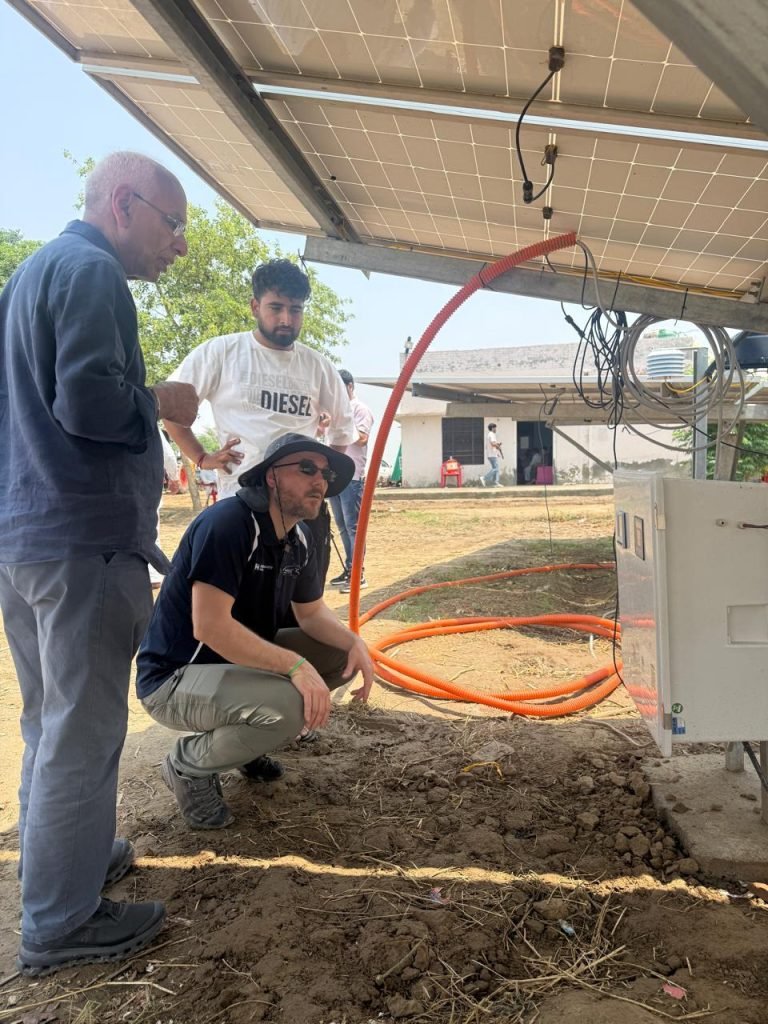
The sensors continuously track:
• Ambient temperature and solar panel temperature
• Rainfall levels
• Hourly water usage
• Energy produced by solar panels
• Energy utilised by the irrigation pump and household applications
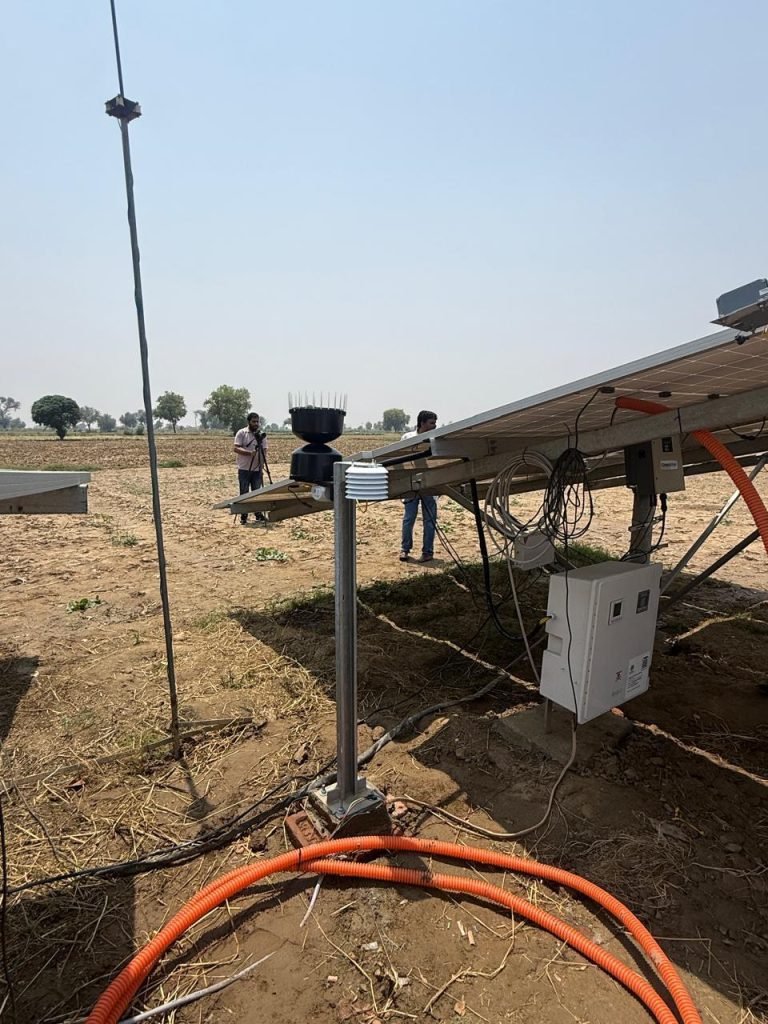
Together, these data streams offer a comprehensive picture that enables minimising water waste and optimising crop health — outcomes that directly translate into higher farmer earnings.
Empowering the Women Who Feed India
A central theme of the workshop was the role of women in Indian agriculture. Women make up nearly two-thirds of the country’s agricultural workforce, yet they have often borne the heaviest burden of labour-intensive tasks, such as irrigation management.
By simplifying labour-intensive tasks and creating new agro-processing income streams, this technology directly empowers the farm women who form the backbone of rural India’s food system.
The smart system reduces the physical and cognitive load of water management, freeing women to engage in higher-value activities and entrepreneurial ventures — a shift with far-reaching implications for gender equity in rural economies.
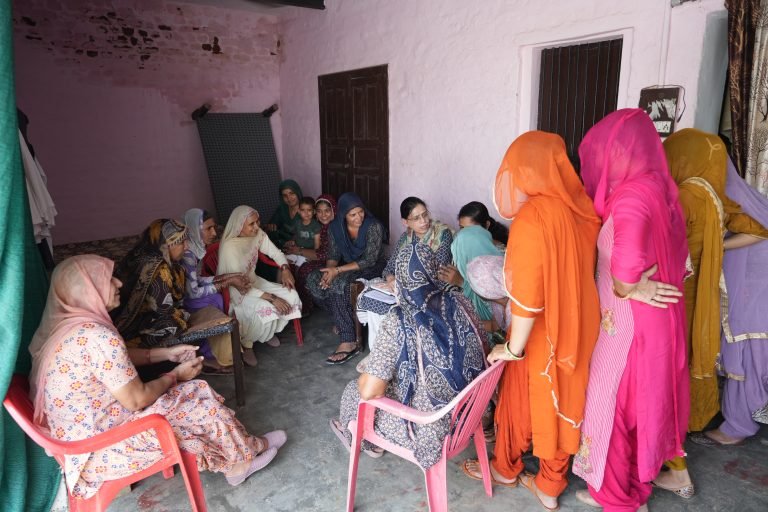
Caption: Interactive engagement session attended by approximately 70 local farmers and women entrepreneurs
A New Benchmark for Rural Haryana
The visit culminated in an interactive session attended by approximately 70 local farmers and women entrepreneurs. Participants engaged directly with the university experts, asking practical questions about installation, costs, and long-term maintenance.
The international collaboration between Birmingham City University and Khariya’s farming community represents more than a technology transfer — it is a proof of concept for how data-driven, sustainable agriculture can take root in India’s heartland, setting a new benchmark for inclusive, environmentally sound economic growth.
By leveraging precise, real-time sensor data and redirecting idle solar energy into productive use, the project offers a replicable model for transforming solar irrigation infrastructure across rural India — one farm at a time.
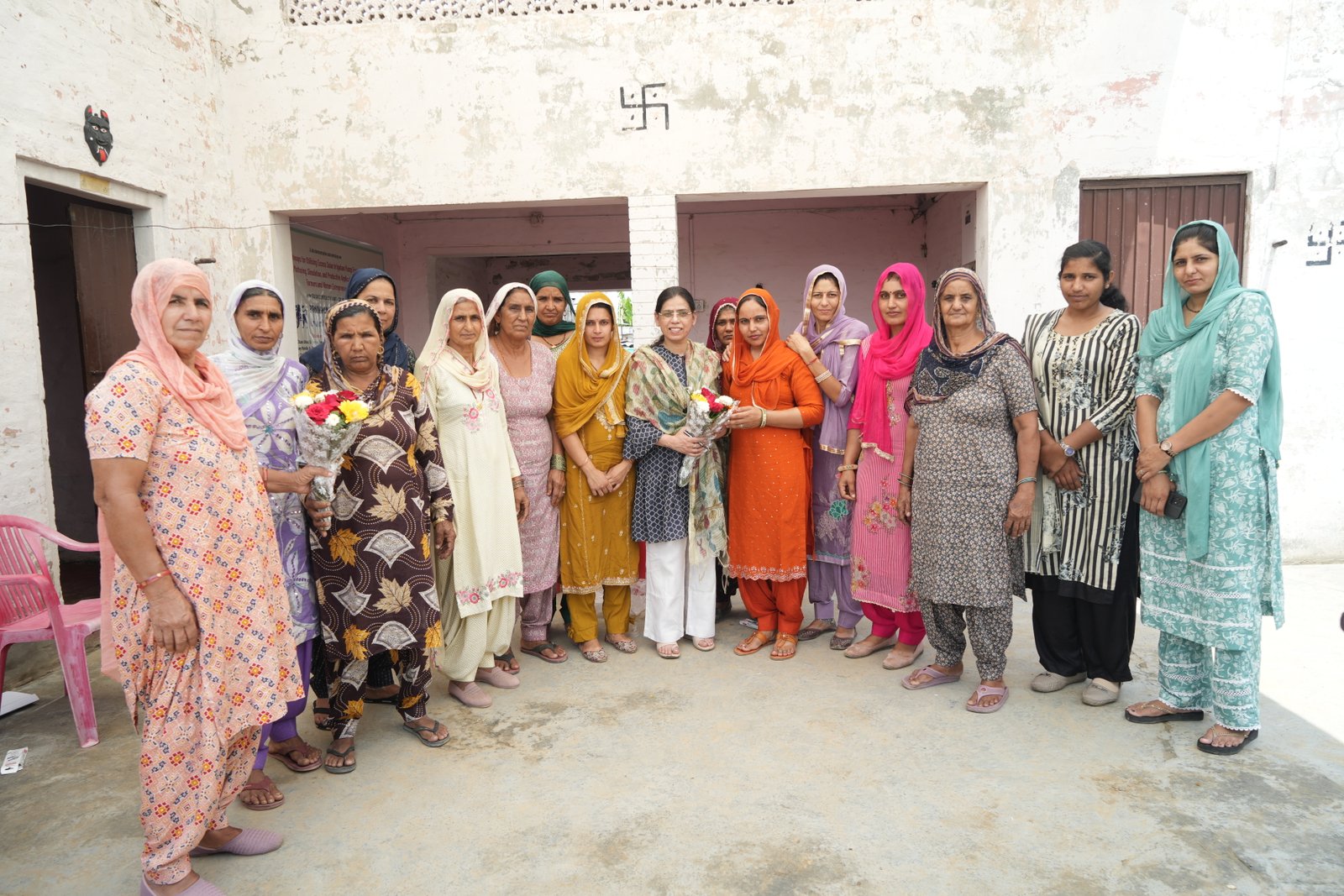
Caption: Farmers, women entrepreneurs and BCU team at the close of the demonstration event, Khariya village