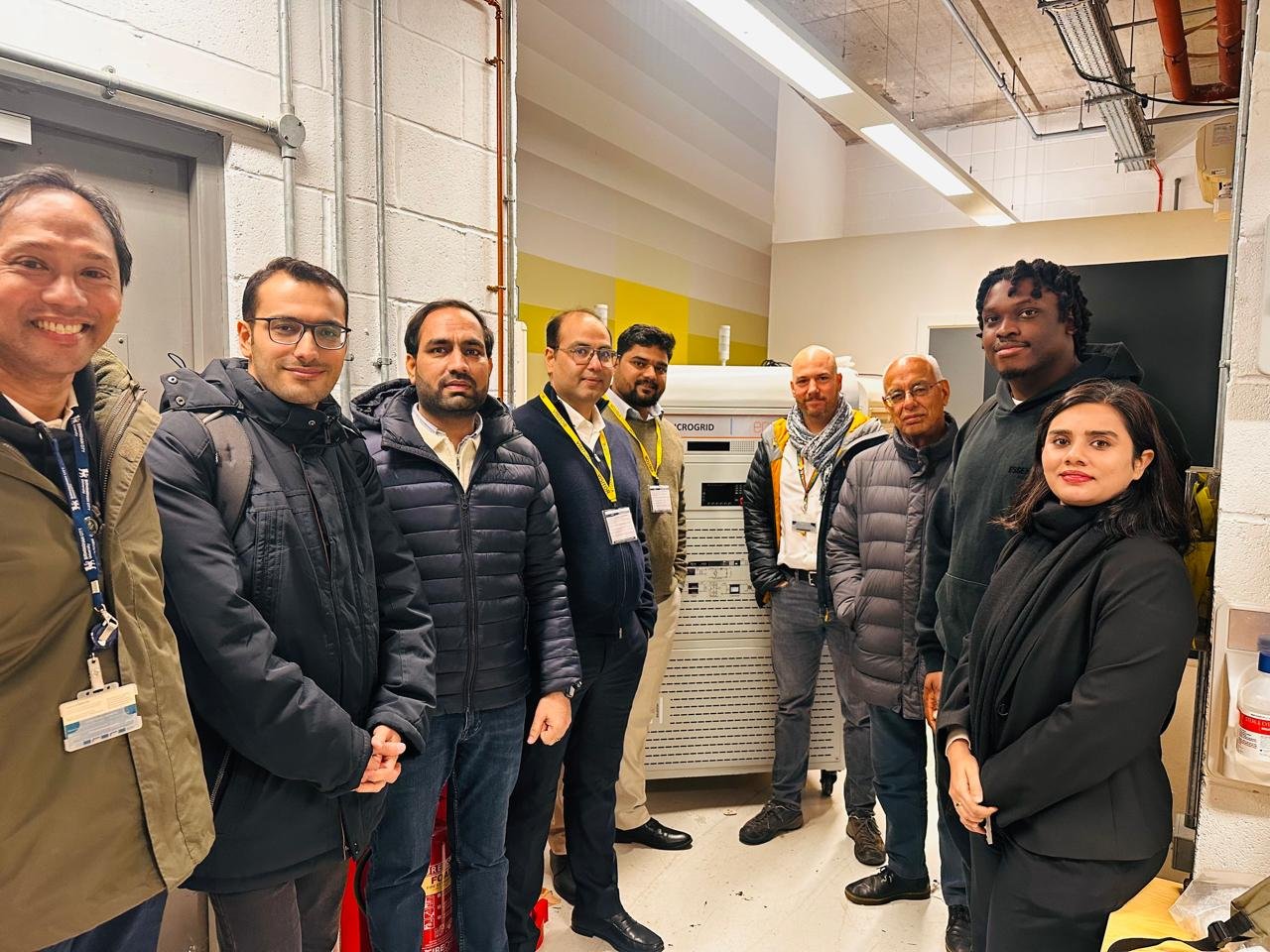
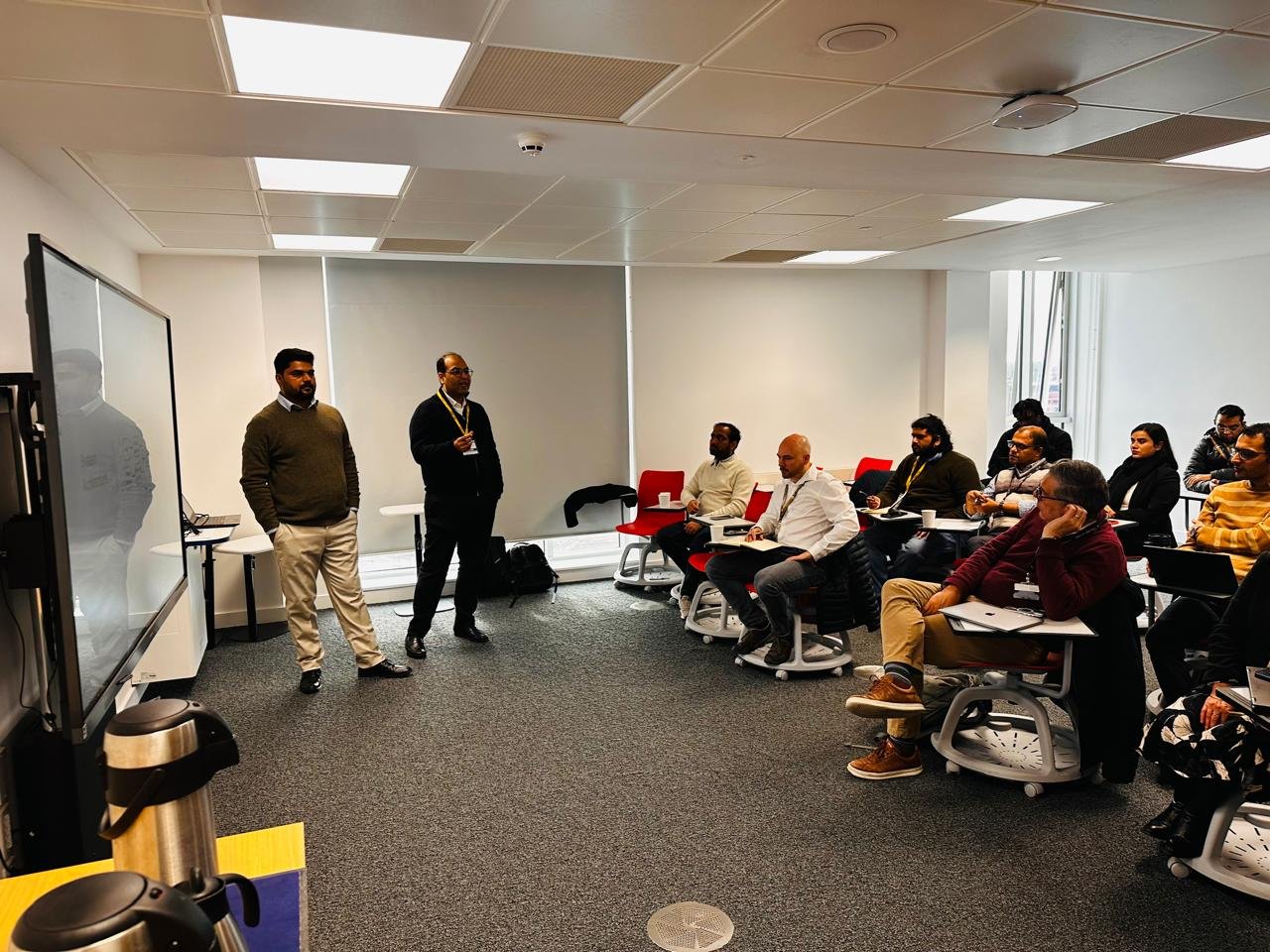
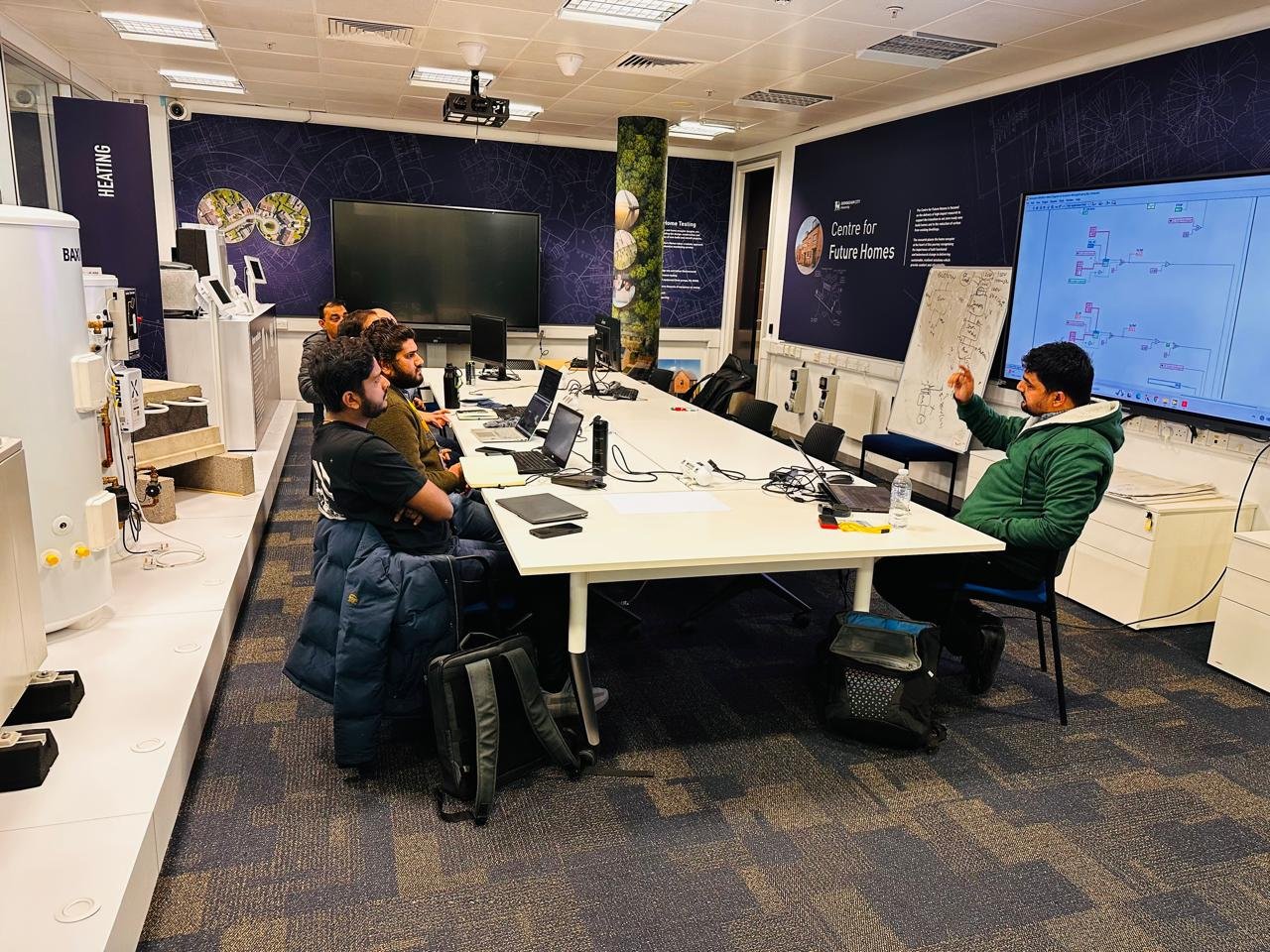
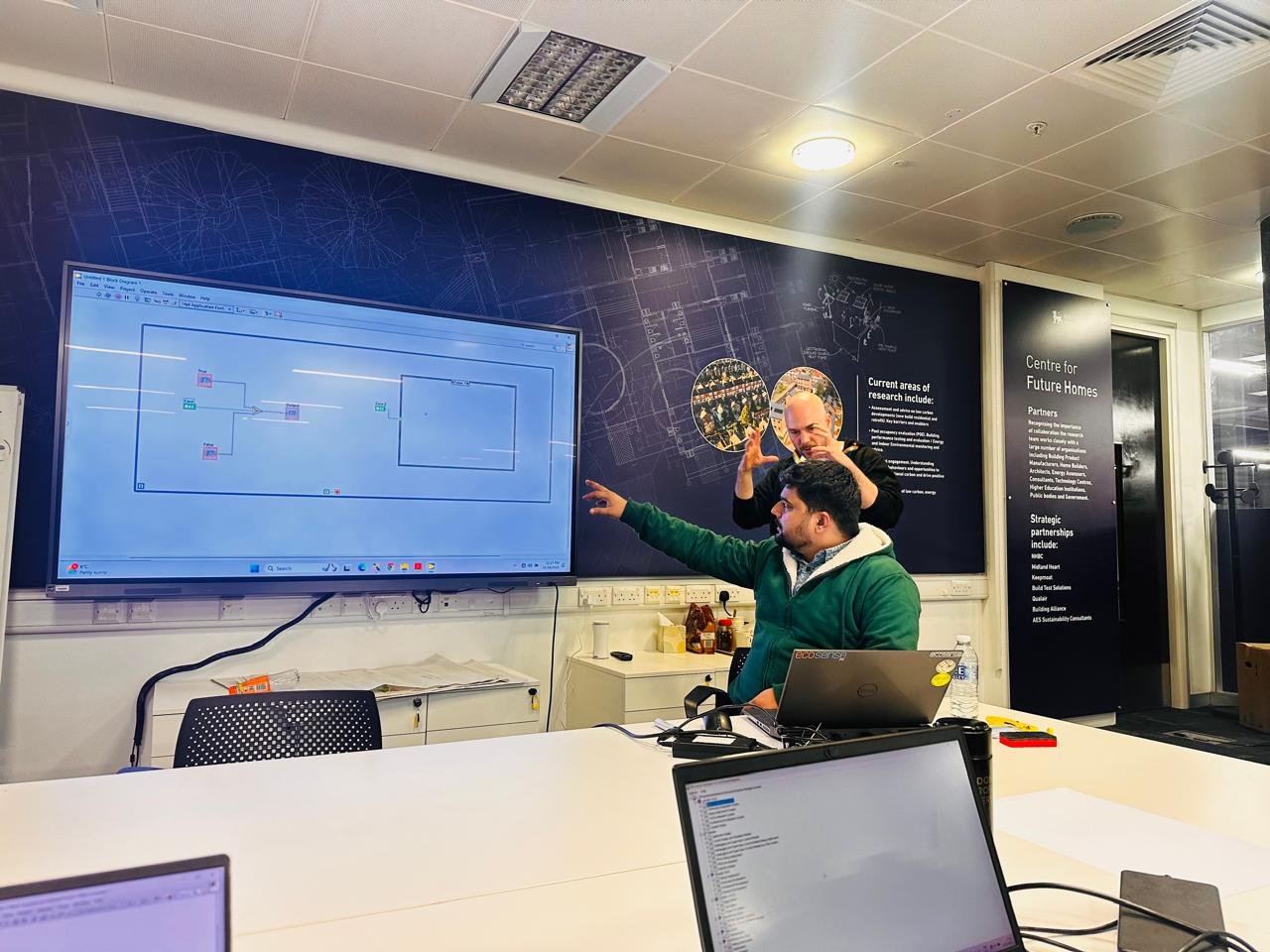
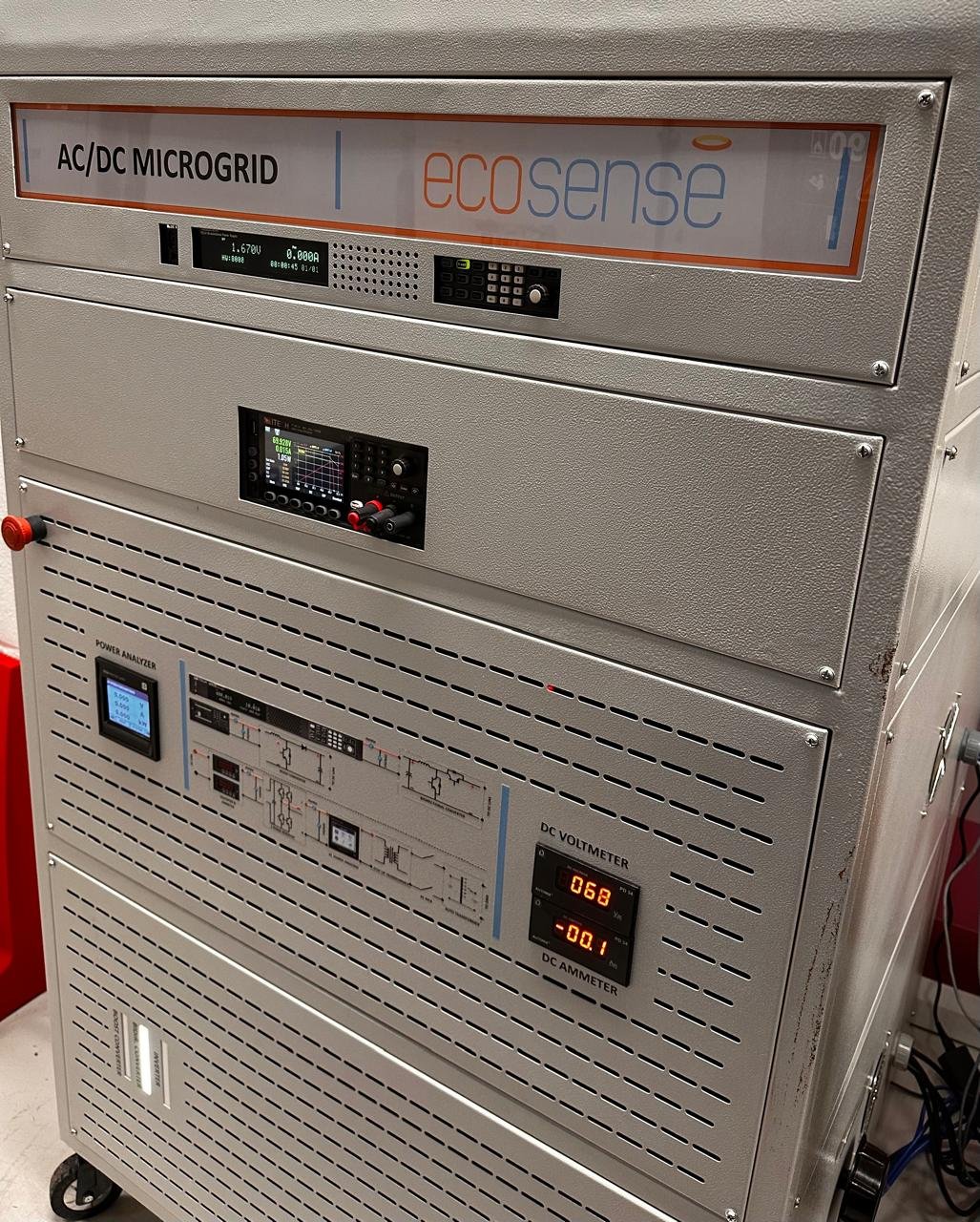
Recently, the SMART-SIP+ team acquired a microgrid (MG) hardware setup at Birmingham City University (BCU). The MG hardware setup includes solar PV emulators, a battery emulator, a bidirectional converter, a buck-boost converter, a single-phase inverter, an autotransformer, programmable AC RLC load & DC load, power analyzers, and an FPGA control card (by National Instruments), all fully integrated and controllable via LabVIEW software. This setup provides a complete platform for hands-on experimentation, system monitoring, and control of microgrid operations. To introduce this setup and provide hands-on training, a One-Week Workshop on Microgrid Systems was organized from 17–21 November 2025 at Millennium Point Building, BCU, UK. The workshop was designed for faculty, researchers, and UG/PG engineering students, combining theoretical lectures with practical laboratory exercises. Two industry experts delivered lectures and demonstrated the operation of the hardware setup. Participants gained hands-on experience with solar and battery emulators, inverters, energy management systems, and control strategies using LabVIEW and real hardware in both grid-connected and islanded microgrid modes. This hardware platform enables simulation and replication of various solar-based irrigation pumps and other AC/DC load scenarios in the lab. It provides a flexible environment to test system configurations, evaluate performance under different operational conditions, and analyze excess energy and various energy consumption patterns. By integrating emulators, inverters, and controllable loads, the setup supports hands-on experimentation, performance analysis, and validation of control strategies, making it an ideal platform for research and development in SMART SIP+-related renewable energy systems. The workshop concluded with a feedback session and a closing ceremony, equipping participants with the knowledge and practical skills to design, operate, and manage modern microgrid systems effectively.